“Can we pay separately?” The question often arrives while another table is waiting to order and two coffees are sitting at the pass. It sounds straightforward. Then one guest offers to cover the drinks, another needs to leave, and nobody has assigned the shared starter.
The easiest place to prevent confusion is before the first payment. Agree on the split, then keep one clear record of the amount still owed. Here is a routine your team can practise before the next busy service.
Ask what the guests mean by separate bills
Splitting the total equally, paying for individual items and paying different fixed amounts are three different requests.
One question clears that up: “Would you like to divide the total equally, or pay for what each of you ordered?” For a group, ask early enough to record the arrangement as you take the order. There is no need to turn every welcome into a discussion about payment.
Be clear about what your restaurant can actually do. If your till cannot divide a single item between several people, explain the available options before bringing over the card terminal.
Assign shared dishes before taking payment
A bottle, a shared starter or a dessert for the table needs to appear in the split exactly once. Confirm who is covering it or how its price will be divided.
Worked example: three guests have individual items costing €24, €28 and €20. They also share a €12 starter equally, adding €4 to each person's share. They pay €28, €32 and €24, adding up to €84. These figures cover the entire bill in this example, with nothing further to add.
Before collecting payment, check that the shares add up to the bill total. If rounding leaves a cent to allocate, show which share includes it and confirm the amounts with the guests.
Check the balance after each payment
A guest starting a payment does not mean it has gone through. Wait for confirmation from the terminal or payment system before marking that amount as paid. If the result is unclear, check the transaction history before trying again.
In the example above, the first confirmed payment of €28 leaves €56. The next payment of €32 leaves €24. Whoever takes over the table should be able to find that remaining amount without asking the guests to explain everything again.
When several servers are helping, put one person in charge of tracking payments at that moment. “They've paid some of it” is not enough information for a colleague to know what to collect.
Agree on how to handle the awkward cases
One guest leaves early. Confirm their share, take payment and check the new balance before they go. If the group orders anything else afterwards, confirm who will cover it before adding it to a share.
The split changes after someone has paid. Do not erase a confirmed payment just to rebuild a more convenient bill. Have the authorised person handle the correction through your normal procedure, keeping a record of what changed.
Someone adds a tip. Keep the tip distinct from the amount settling the bill in your restaurant's payment records. The next guest should not have to guess what the previous payment covered.
Test your software with a group scenario
Before changing the way you work, run a practice transaction outside service: three shares, one shared item and one guest leaving early. Check what the server sees after each step. Could another team member take over without a long explanation?
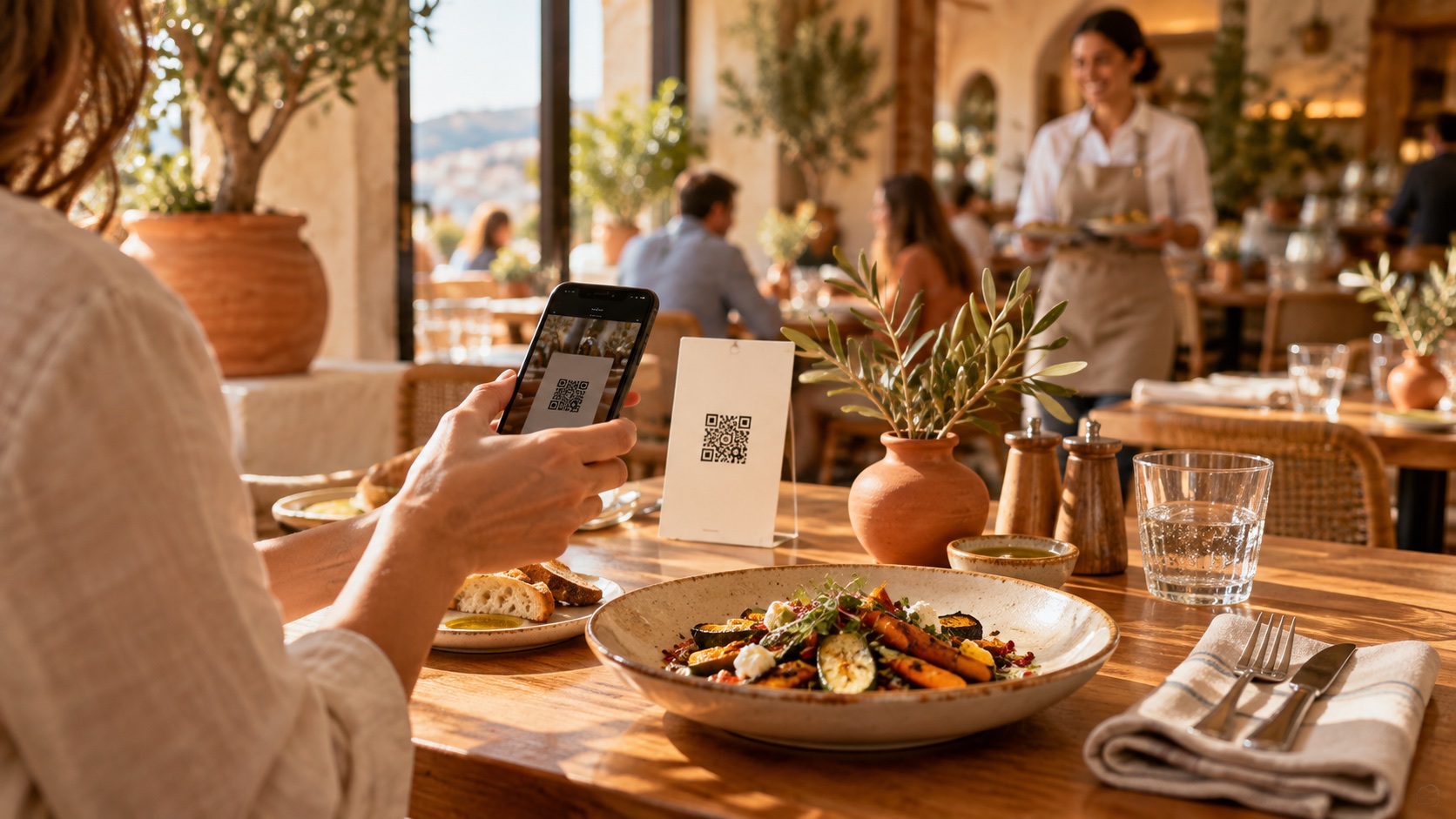
Ordering from several phones does not automatically mean each guest has a separate bill. If you use QR code ordering, test the full journey from ordering to payment.
RiseResto lists split bills and partial payments among its features. To discuss how they fit your service, contact the team with an example of a group bill you find difficult to manage.
Before you close the table
- Every shared item has been allocated once.
- Each payment is confirmed and recorded against the right bill.
- Any corrections have an explanation.
- The remaining balance is zero.
- Guests have received the receipts they requested.
At your next briefing, try the three-guest example with the shared starter. If everyone can find the €24 still owed after the first two payments, you have a method that is easier to hand over during service.
Ready to simplify your restaurant?
RiseResto is in open beta — onboard your restaurant today.
Get started free →